
Table of Contents
What is FN-0408 Material?
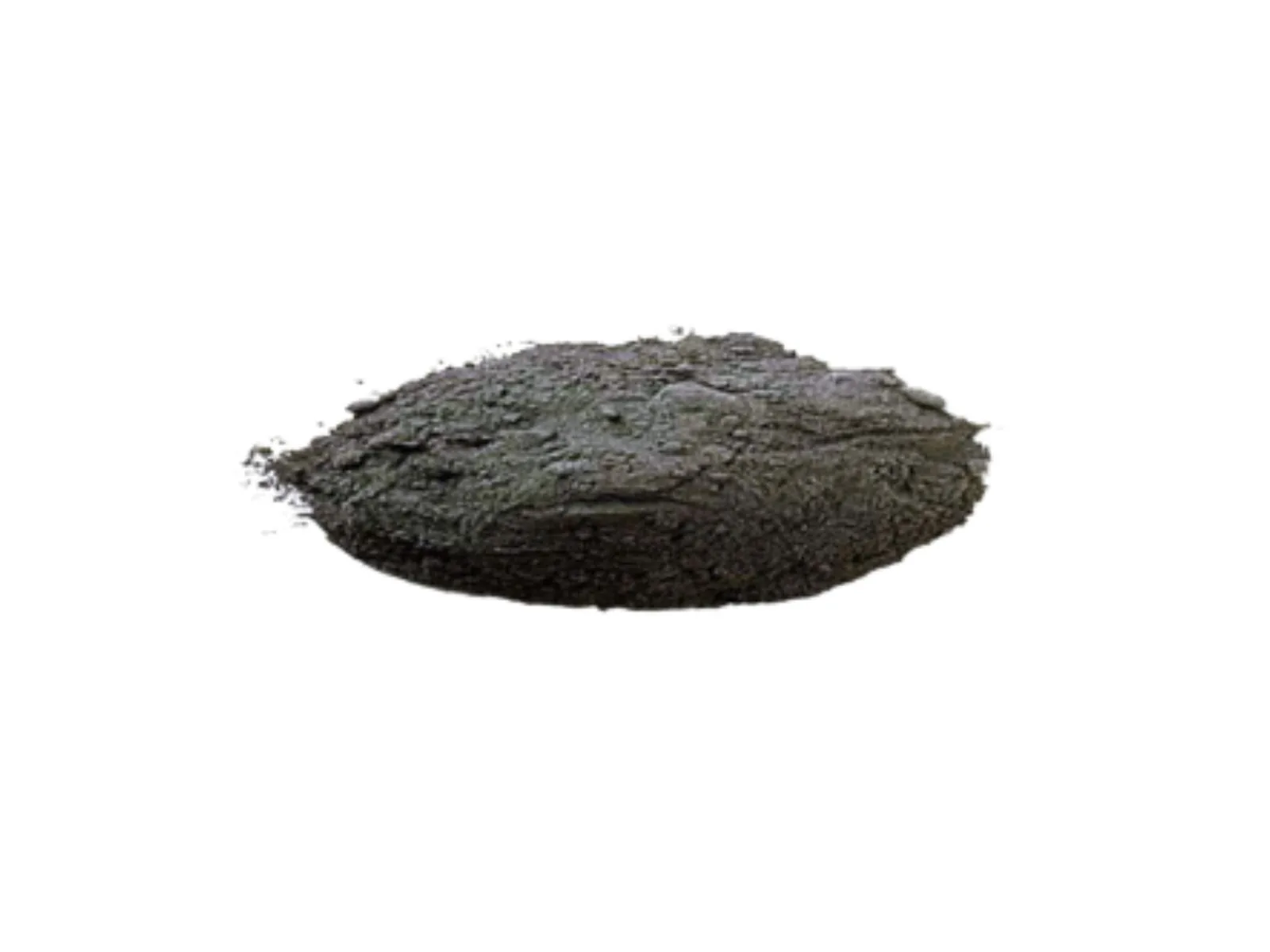
FN-0408 is a ferrous powder metallurgy alloy containing 4% nickel and 8% copper, designed for applications requiring higher strength and toughness than standard iron-copper alloys. The nickel addition provides superior impact resistance and hardenability.
Material Designation
- MPIF Standard: FN-0408
- Alternative Names: 4Ni-8Cu-Fe
- Material Family: Iron-Nickel-Copper Alloys
Chemical Composition
| Element | Weight % | Purpose |
|---|---|---|
| Iron (Fe) | Balance | Base material |
| Nickel (Ni) | 3.5-4.5% | Hardenability, toughness |
| Copper (Cu) | 7.0-9.0% | Strength, density |
| Carbon (C) | 0.3-0.6% | Hardness (heat treated) |
| Other | <0.5% | Trace elements |
Mechanical Properties
As-Sintered Condition (Density 6.8 g/cm3)
| Property | Typical Value |
|---|---|
| Tensile Strength | 480 MPa (70 ksi) |
| Yield Strength | 350 MPa (51 ksi) |
| Elongation | 2.5% |
| Hardness | 75 HRB |
| Impact Energy | 12 J (9 ft-lb) |
Heat Treated Condition (Oil Quenched + Tempered)
| Property | Typical Value |
|---|---|
| Tensile Strength | 850 MPa (123 ksi) |
| Yield Strength | 690 MPa (100 ksi) |
| Hardness | 35-40 HRC |
| Impact Energy | 20 J (15 ft-lb) |
Density Range: 6.4-7.2 g/cm3
Key Advantages
- High Strength - Superior to FN-0205, suitable for structural parts
- Excellent Hardenability - Responds well to heat treatment
- Good Toughness - Nickel improves impact resistance
- Dimensional Stability - Minimal distortion during heat treatment
- Cost-Effective - Lower cost than stainless steel or tool steel
Typical Applications
Automotive
- High-stress transmission gears
- Synchronizer hubs
- Connecting rods (after heat treatment)
- Camshaft lobes
Industrial Machinery
- Heavy-duty gears
- Structural brackets
- Shaft couplings
- Load-bearing components
Power Tools
- High-torque gearbox gears
- Impact-resistant components
- Drive shafts
Heat Treatment Options
Carburizing (Case Hardening)
- Temperature: 900-930°C
- Time: 2-8 hours
- Case Depth: 0.5-2.0 mm
- Surface Hardness: 58-62 HRC
- Core Hardness: 30-35 HRC
Through Hardening (Oil Quench + Temper)
- Austenitizing: 850-900°C
- Quenching: Oil
- Tempering: 150-200°C
- Final Hardness: 35-40 HRC
Secondary Operations
Commonly Required:
- Sizing/coining (improve density to 7.0-7.2 g/cm3)
- Heat treatment (achieve full strength)
- Machining (for critical features)
- Surface grinding (for precision surfaces)
Optional:
- Shot peening (improve fatigue life)
- Steam treatment (improve corrosion resistance)
- Plating (zinc, nickel)
Design Considerations
Suitable For:
Parts requiring strength >600 MPa Applications with impact loading Heat-treatable structural components High-stress gears and transmission parts
Not Suitable For:
鉂?Corrosive environments (use stainless steel) 鉂?High-temperature applications >400°C 鉂?Magnetic shielding (nickel reduces permeability)
Material Comparison
| Material | Tensile Strength | Cost | Hardenability | Applications |
|---|---|---|---|---|
| FN-0408 | 850 MPa (HT) | $$$ | Excellent | High-stress structural |
| FN-0205 | 620 MPa (HT) | $$ | Good | Medium-stress gears |
| FC-0808 | 520 MPa | $$ | Fair | Lower-stress parts |
| 316L SS | 650 MPa | $$$$ | N/A | Corrosion-resistant |
HT = Heat Treated
Processing Parameters
- Compaction Pressure: 600-700 MPa
- Sintering Temperature: 1120-1150°C
- Sintering Atmosphere: Endothermic gas or dissociated ammonia
- Sintering Time: 20-30 minutes at temperature
- Cooling Rate: Controlled (to prevent cracking)
Cost Estimate
Material Cost: $8-12/kg (powder) Processing Cost: Medium-High (requires heat treatment) Total Part Cost: Depends on complexity and volume
Cost Drivers:
- Nickel content (more expensive than copper)
- Heat treatment required for full properties
- Higher density often needed (sizing operation)
Quality Standards
- MPIF Standard 35 - Materials Standards for PM Structural Parts
- ISO 5755 - Sintered Metal Materials - Specifications
- ASTM B783 - Materials Standards for Iron-Based PM Parts
Get FN-0408 Components from SinterWorks
SinterWorks manufactures high-precision FN-0408 parts with:
- Density control: 6.4-7.2 g/cm3
- In-house heat treatment capabilities
- Strict quality control (+/-0.05mm tolerance after sizing)
- Volume production: 50K-5M parts/year
Request a quote: Upload your drawing for free DFM evaluation within 24 hours.
Frequently Asked Questions
What is the difference between FN-0408 and FN-0205?
FN-0408 contains 8% copper vs 5% in FN-0205, providing 30-40% higher strength after heat treatment.
Can FN-0408 be used without heat treatment?
Yes, but strength will be limited to ~480 MPa. Heat treatment is recommended for high-stress applications.
What hardness can be achieved?
Case hardening: 58-62 HRC surface. Through hardening: 35-40 HRC bulk.
Is FN-0408 corrosion resistant?
No. Use steam treatment or plating for mild corrosion protection, or switch to stainless steel for harsh environments.
Related Resources
Use these internal links to keep moving through the most relevant guides, service pages, and technical references for this topic.
FN-0205 Material Guide
Compare FN-0408 with a lower-alloy nickel-copper PM route when strength targets are lower and cost sensitivity is higher.
FN-0405 High-Nickel Alloy
Review another higher-strength PM alloy route when your part needs more fatigue margin or heat-treatment flexibility.
Automotive Transmission Gears
See a drivetrain application cluster where higher-strength nickel-copper PM materials can support wear, toughness, and repeat volume.
Request a Quote
Send your load case, density target, and annual demand for FN-0408 material review and quotation support.